
Hair Care
Discover the complete guide to women's hair care. Learn how to determine hair porosity, repair damaged bonds, choose sulfate-free shampoos and deep conditioning masks, prevent heat damage, and maintain healthy, lustrous locks for all hair textures.
All Posts on Hair Care
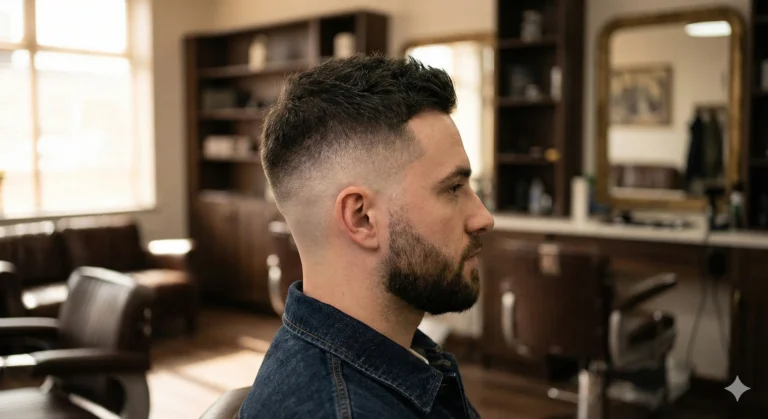

Fade Maintenance Routine (Week-by-Week): Keep Your Fade Fresh Longer
A fresh fade always looks clean, sharp and confident. But for most men that clean look doesn’t last very long. After a f...
Read More about Fade Maintenance Routine (Week-by-Week): Keep Your Fade Fresh LongerWomen's Hair Care Guide: Scalp Health, Bond Repair & Anti-Frizz
Healthy, radiant, and resilient hair is the ultimate crown of personal beauty. Achieving lustrous, full-bodied hair requires moving beyond superficial silicone shine sprays and understanding the biological science of hair porosity, cortical bond repair, and scalp microbiome balance. Hair fibers are composed of fibrous alpha-keratin chains held together by disulfide and hydrogen bonds. Chemical coloring, bleaching, heat styling, and environmental UV exposure break these internal bonds, leading to split ends, brittleness, and chronic frizz. Whether you have fine straight hair, color-treated waves, or coily curl patterns, this comprehensive guide provides bond-repair science, scalp care protocols, heatless styling techniques, and deep hydration routines.
Historical Evolution and Cultural Significance
Women's haircare has evolved across centuries of beauty rituals. Ancient Indian traditions established Ayurvedic hair oiling with coconut, amla, and bhringraj oils to stimulate growth and nourish roots. In the 20th century, synthetic dyes, perms, and sulfate shampoos emerged. Over the past decade, molecular hair science revolutionized haircare with patent-protected bond-building technology (bis-aminopropyl diglycol dimaleate and bioactive peptides) that chemically rebuilds broken disulfide bonds inside hair.
Core Principles, Regimens, and Classifications
Haircare regimens are customized by hair porosity and texture:
- Low Porosity Hair: Tightly closed cuticles that resist moisture; requires lightweight water-based leave-ins and heat-assisted deep conditioning.
- High Porosity Hair: Gaps and holes in damaged cuticles; requires protein bond builders and rich plant butters to seal moisture.
- Color-Treated & Bleached Hair: Requires sulfate-free purple toning washes, bond repair masks (Olaplex/K18), and thermal heat protectants.
- Scalp Care Focus: Scalp serums with rosemary oil, gentle salicylic acid scalp scrubs, and weekly clarifying washes.
Skin Type and Beauty Compatibility Matrix
Achieving radiant, healthy results requires tailoring active formulations and routines to your unique skin and hair biology:
| Hair Type & Need | Washing Cadence | Key Treatment Product | Primary Goal |
|---|---|---|---|
| Color-Treated / Bleached | 1 2 times weekly | Molecular bond repair mask (K18/Olaplex) | Rebuild broken disulfide bonds, prevent breakage |
| Fine / Oily Scalp | Every 2 days | Clarifying shampoo + lightweight conditioner | Volumize roots, remove sebum buildup |
| Dry / Wavy / Curly | 1 2 times weekly | Deep hydration mask + argan leave-in | Smooth cuticles, eliminate frizz, define curls |
Step-by-Step Application and Daily Ritual Protocol
Follow this professional sequential framework to achieve glowing, long-lasting beauty with consistency and skin safety:
- Pre-Wash Scalp Oil Treatment: Massage rosemary and jojoba oil into the scalp 30 minutes before washing to stimulate microcirculation.
- Shampoo Scalp with Sulfate-Free Wash: Massage scalp for 60 seconds, allowing lather to rinse through ends.
- Apply Deep Treatment Mask: Apply bond builder or hydrating mask from mid-lengths to ends, leaving for 5 to 10 minutes.
- Squeeze with Microfiber Towel: Gently squeeze excess water out; never aggressively rub with rough towels.
- Always Apply Heat Protectant: Spray thermal protectant (up to 450°F / 230°C) before using hot styling tools.
Material Science, Active Formulations, and Essential Tooling
High-performance beauty relies on clean cosmetic chemistry, active botanical extracts, and precision tools:
Requires bond-building peptides, hydrolyzed silk proteins, rosemary oil, and argan oil.
Professional Aesthetician and Makeup Artist Secrets
Incorporate these master beauty techniques utilized by celebrity makeup artists and clinical aestheticians:
Sleep in a 100% mulberry silk bonnet. It eliminates overnight friction, preserving blowouts for four days and preventing split ends.
Common Beauty Mistakes and How to Avoid Them
Avoid these frequent pitfalls that compromise skin barrier health and makeup longevity:
- Heat Styling Without Thermal Protectant: Direct flat iron heat on unprotected hair scorches keratin, causing permanent damage.
Seasonal Beauty Transitions and Long-Term Care
Environmental shifts require strategic adjustments to maintain hydration, sun protection, and natural radiance:
Deep hydration masks in dry winter; anti-humidity UV protectants in summer.
Dermatological Chemistry, Cellular Biology, and Ingredient Synergy for Hair Care
Modern women's beauty and self-care have evolved into an advanced science centered on skin barrier optimization, cellular longevity, and microbiome preservation. The epidermis relies on an intricate lipid matrix composed of approximately fifty percent ceramides, twenty-five percent cholesterol, and fifteen percent free fatty acids to maintain trans-epidermal hydration and shield against airborne pollutants. When curating products for hair care, selecting biocompatible active formulationssuch as low-molecular-weight hyaluronic acid for multi-depth dermal plumping, stabilized L-ascorbic acid for collagen synthesis stimulation, and biomimetic peptide signaling chainspromotes cellular repair while preserving the skin's acidic mantle (pH 4.55.5). Avoiding harsh sulfates, drying denatured alcohols, and artificial synthetic fragrances prevents chronic micro-inflammation and accelerates natural dermal radiance.
Professional Celebrity Makeup Artist and Aesthetician Techniques
Master aestheticians and red-carpet makeup artists utilize targeted physiological techniques to enhance treatment efficacy and cosmetic longevity. Always implement the 'Skin Prep First' philosophy: spend seventy percent of your routine time on deep skin hydration, lymphatic facial massage, and lip conditioning before applying color cosmetics. When applying liquid foundations or cream blushes, utilize damp antimicrobial micro-fiber sponges to press pigment seamlessly into the skin rather than dragging across surface texture. Utilize lymphatic drainage massagegliding jade rollers or gua sha stones outward and downward toward the clavicle lymph nodesto eliminate morning water retention, define cheekbones, and impart an illuminated, lit-from-within glow.
Sanitization Protocols, Cosmetic Hygiene, and Product Expiration Cadences
Maintaining pristine hygiene across your beauty and cosmetic toolkit is essential for preventing bacterial breakouts, eye infections, and premature product degradation. Makeup brushes and beauty sponges collect sebum, dead keratinocytes, and airborne bacteria daily. Wash foundation and concealer brushes weekly with an antibacterial brush soap and warm water, allowing them to dry flat on a clean towel. Respect cosmetic Period-After-Opening (PAO) symbols: replace mascara and liquid eyeliners every three months to prevent ocular bacterial contamination, liquid foundations every twelve months, active Vitamin C and retinol serums within three to six months of opening to avoid oxidative loss, and mineral sunscreens annually to ensure peak UV protection.
Summary and Holistic Beauty Philosophy
True beauty is an authentic reflection of self-care, biological health, and intentional daily rituals. By understanding your skin's unique needs, using high-grade active ingredients, protecting your dermal barrier, and embracing self-expression with confidence, you radiate timeless grace, vitality, and effortless elegance.
Frequently Asked Questions
Got questions? We've got answers. Explore our most asked questions about hair care.
Bond repair products (like Olaplex and K18) use patented active molecules that penetrate the hair cortex to chemically reconnect broken disulfide keratin bonds.
Place a clean, shed hair strand in a glass of water. If it floats on top, you have low porosity. If it sinks to the bottom, you have high porosity hair.
Fine or oily hair should be washed every 2 days; normal or wavy hair 2 times weekly; and dry, thick, or curly hair 1 to 2 times weekly.
Rosemary oil stimulates scalp blood circulation and cell division, with clinical studies showing it performs comparably to 2% minoxidil for hair thickness.
Silk creates zero friction against hair cuticles, preventing frizz, tangles, split ends, and retaining natural hair moisture while sleeping.
Apply leave-in oils to ends, use heat protectants, avoid high heat tools, sleep on silk, and get a 'micro-trim' of 1/4 inch every 8 to 10 weeks.